


Best Plasterers In Australia
Find the best plasterers in Australia who guarantee flawless work and customer satisfaction. Explore our services and request a quote today.

Vista Carpentry offers expert roof and ceiling repairs, gyprock and plaster services. Skilled in all aspects of carpentry, delivering quality craftsmanship across Perth and surrounds.
 Email
Email Call
Call
Ashley Parkinson of AP Interiors offers expert ceiling and wall services in Perth, specialising in residential and commercial projects with a focus on quality craftsmanship and reliable service.
Reform Plaster delivers expert plaster restoration and installation across Perth and Peel, specialising in heritage and decorative finishes.
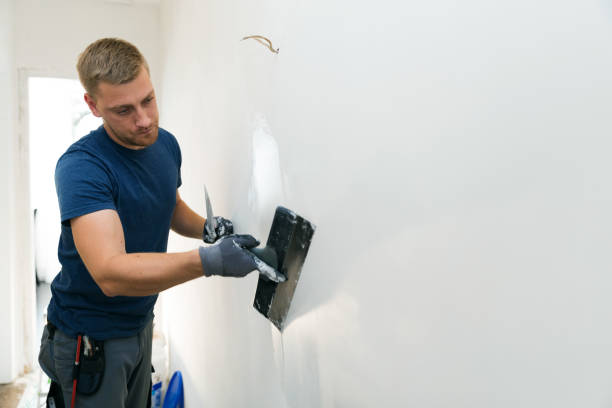
Mark Robertson offers expert plastering and rendering with 20 years’ experience. All aspects covered. Clean, reliable and built to last.

Based in Blue Haven NSW, Damon from Benchmark Contracting delivers expert electrical and plastering services. Trusted for quality finishes, reliable work, and years of hands-on experience.

Gavin Greive of Gavin’s Plastering Services is a friendly, master craftsman specialising in professional plastering, coloured acrylic texture coatings, cornices, ceilings, renovations and repairs across Perth.

Matty Hill of Perth Platinum Plastering delivers professional residential and commercial plastering across Perth—trusted for expert finishes, precise workmanship, and reliable service.

David Pasquale of JD Plastering delivers precise, trusted interior and exterior plastering across Perth—known for expert finishes, reliable workmanship, and smooth, professional service.
Dylan Baker of Pickles Plastering delivers skilled and reliable plastering services across Perth—expertly handling repairs, textures, rendering, and internal finishes with precision.
Related Services
 Ceiling repairs & replacement
- Cement rendering & texture coating
- Commercial
- Gyprock installation & repairs
- Ornamental cornice & mouldings
- Plasterboard fix & flush services
- Wall & ceiling patching services
Best Plasterers Near Me
If you are searching best plasterers or plasterers near you, you are probably chasing one thing: a quality finish that looks dead-straight in the light and holds up over time. A great plastering service is not just “smooth enough”. It is clean joins, crisp corners, tidy edges around cornices, and surfaces ready for painting without waves or patchy texture.
Trade Heroes helps you find plasterers across Australia by comparing profiles, specialties, and signals of customer satisfaction. Whether it is a small ceiling repair in a lounge room, a full plastering project for renovations, or commercial plastering like a suspended ceiling, this page shows you what to look for, what it should cost, and how to get a result you will be happy to live with.
What Professional Plasterers Actually Do
Professional plasterers are skilled tradies who work with plaster to create smooth, even surfaces on walls and ceilings. That includes installing and finishing plasterboard or plaster board, setting joints, sanding, repairing cracks, and creating decorative details like cornices and ceiling features.
A typical plastering job may involve:
- Drywall plastering for new walls, extensions, and renovations
- Repairs to existing plaster, including cracks, holes, and water damage
- Installing a plasterboard ceiling and completing a seamless set and sand
- Square set finishes for modern rooms with sharp, clean lines
- Decorative work such as cornices and other decorating details
- Fit-outs and commercial interiors, including suspended ceiling systems
Plastering can be a messy and potentially dangerous job, particularly if it involves working at heights or with heavy materials. That is why using an experienced plasterer with proper safety practices matters as much as the final appearance.
How To Tell If You Are Hiring Rated Plasterers
The difference between average and great plastering is in the details you notice once the sun hits the wall. When you are comparing rated plasterers and local plasterers, focus on evidence and process, not sales talk.
A high-standard operator usually shows these traits:
- Reliable plasterers provide detailed written quotes and arrive on time
- A good plasterer will have positive reviews and ratings from previous clients
- They explain the scope clearly and set expectations for drying and sanding time
- They protect floors and surfaces, keep the site controlled, and leave it tidy
- They communicate promptly and keep the job moving with great communication
When choosing between options, look for consistent mentions like “amazing job”, “excellent job”, “quality work”, “nice guy”, or “really nice guy” alongside the practical stuff: punctuality, clean-up, and accuracy. Personality is a bonus, but professional service is what protects your house.
Licensing, Insurance, And Industry Standards In Australia
Plastering is not the place to gamble. Plasterers should be fully licensed and insured to protect your property, and you should ask if they are fully licensed and carry public liability insurance before work starts.
Practical checks to make:
- Ask for proof of insurance and the business name on the certificate
- Avoid tradespeople who lack a physical business address or licences
- Ask for proof of qualifications, such as a Certificate III in Solid Plastering
- Confirm they understand industry standards and safe work practices
To become a professional plasterer in Australia, tradies usually do a formal apprenticeship or complete a vocational training course. Minimum experience of 3 to 5 years is recommended when hiring a plasterer, especially if you want a high-end finish in main living areas like a lounge room or open-plan space.
Plastering Services For Walls, Ceilings, And Repairs
Plasterers typically work on both residential and commercial jobs. The best teams can handle small fixes and larger builds, and they know which materials suit different surfaces.
Common work includes:
- Patch and blend repairs on walls and ceilings to match existing plaster
- Crack repair and join reinforcement where movement has occurred
- Ceiling and wall re-sheeting using gyprock and plasterboard
- Cornice installation and repair for consistent lines around the room
- Ceiling replacement after leaks, including full ceiling repair
- Fit-outs and commercial plastering for offices, shops, and reception spaces
Professional plasterers know which type of plaster or render to use for each specific application. Gypsum plaster is widely used for internal wall and ceiling finishes. For older homes or damp-prone spaces, lime plastering can create a breathable wall finish and a durable surface that lasts for a long time. For feature walls, polished plaster, often called Venetian plaster, can deliver a marble-like look with a smooth reflective surface.
If you are unsure what you need, a good team will explain the right approach for your room, materials, and timeline.
Wet Plaster Vs Drywall Plastering
A lot of confusion comes from terminology. Two common categories are wet plaster work and drywall plastering.
Drywall plastering typically means plasterboard installation plus setting, sanding, and finishing. This is common in most Australian builds and renovations, especially for walls and ceilings.
Wet plaster refers to applying plaster directly to masonry or other substrates. It can be used for certain interior surfaces, repair work, or specialty finishes. Wet plaster jobs usually involve more drying time and more material control, so experience matters.
When you request a quote, ask what system they plan to use, how many coats, and what standard of finish they will achieve.
Plastering Cost In Australia
Plastering cost depends on area, access, ceiling height, the condition of the surface, and the finish level you want. It also varies by location and whether the job is residential or commercial.
A useful starting guide:
- The average cost of plastering ranges from $20 to $70 per square metre for hard plaster
- The average cost ranges from $45 to $90 per square metre for wet plaster
- Plasterers typically charge based on the type of work required and the materials involved
- Complexity and scale can push pricing up, especially for ceiling work and detailed corners
Ask how the quote is calculated. Some plasterers price per square metre, others price the job as a whole. Either approach can be fine, as long as the scope is clear.
It is advisable to request a detailed quote from a plasterer to get a more precise estimate of costs. You should ask the plasterer how much the total project will cost, including any hidden expenses like skip bins, removal, access equipment, or additional patching found after demolition.
Extremely low quotes may indicate inferior materials or rushed work. A quality finish takes time, and rushed plastering often shows up later as cracks, visible joins, or uneven surfaces.
How To Compare Multiple Quotes Without Getting Burned
Always get multiple quotes. A smart rule is: get at least 3 written quotes to compare when hiring a plasterer. You are not just comparing price, you are comparing scope and professionalism.
A strong quote should include:
- What areas are included and excluded (walls, ceilings, cornices, square set)
- Materials being used, including plasterboard thickness where relevant
- Preparation steps, including protection of floors and surfaces
- Waste removal plan and clean-up expectations
- Finish level expectations and what “ready for painting” means
- Timeframes, including drying time between coats
Never pay the total cost upfront. Settle on milestones instead, especially for larger renovation jobs. This protects both sides and keeps the project structured.
What A Quality Finish Looks Like In Real Rooms
If you are investing in plastering, it helps to know what you are buying. A high standard plastering result should look consistent in different lighting, not just at night.
Look for these indicators of quality craftsmanship:
- Straight lines where walls meet ceilings and cornices
- Invisible joins, especially on long walls
- Smooth surfaces with no ripples, dents, or sanding swirls
- Clean corners and neat cut-ins around timber trims
- Consistent finish across the room, not smooth in one patch and rough in another
Attention to detail is the difference between a “good enough” job and an “exceptional quality” finish that makes the whole house feel more premium. Poor plastering can lead to cracked, uneven, or peeling walls, and repairs can be more expensive than getting it done right the first time.
Hiring a professional plasterer can ultimately save you money in the long run by avoiding future repairs.
Plastering Timelines And Drying Times
Many people underestimate drying and curing time. Plastering can take one to three days to complete, depending on the number of areas that need to be plastered and how much repair work is required.
As a general guide:
- Plaster usually dries after two to three days on the first application
- Then another seven days for the final coat to fully dry before certain finishing steps
Drying time varies with ventilation, humidity, and the thickness of the application. A reliable plasterer will explain what happens next, including when you can paint and how to avoid damage while it cures.
Questions To Ask Before You Book A Plastering Service
If you want the best outcome, ask a few targeted questions before you lock anything in. This is where master plasterers separate themselves from “anyone with a trowel”.
Ask:
- Are you fully licensed and insured, and can you show proof?
- Do you have 3 to 5 years minimum experience for this type of job?
- Do you do hard plaster, wet plaster, or both?
- Can you share images of previous plastering work, especially similar rooms?
- What finish level will you deliver, and how will it be prepared for painting?
- Will you provide a written guarantee on workmanship?
A reputable plasterer will offer a written guarantee on their workmanship. This matters because it signals confidence and accountability.
Also check reviews. Use Google, Facebook, or local community groups for reviews and references, and personal referrals from friends or neighbours can provide honest feedback on plasterers.
Common Plastering Projects Across Australia
Plasterers work on more than new walls. Many of the most common jobs are repair and improvement projects that make a house feel new again.
Typical jobs include:
- Ceiling cracks and full ceiling replacement after water damage
- Patch repairs after plumbing or electrical work
- Wall straightening and refinishing before repainting
- Square set conversions for modern open-plan spaces
- Cornice replacement for older rooms
- Decorative features, including ceiling roses and ornamental details
Ornamental plastering is a way to add beauty and character to your home at an affordable price, and experienced plasterers can suggest designs and finishes that suit your space.
Finding Skilled Local Plasterers Without Guesswork
Finding skilled local plasterers can be challenging if you do not know what to look for. The quickest shortcut is to compare verified profiles and look for consistent signals of professionalism.
Use a clear process:
- Shortlist plasterers with photos of real work, not generic stock images
- Confirm licensing, insurance, and business details
- Request a quote from at least three providers
- Compare scope, finish expectations, and timeframes
- Book the team that communicates clearly and feels reliable
Avoid tradespeople who cannot show credentials, have no traceable business details, or refuse to put pricing and scope in writing.
Frequently Asked Questions
What Is Included In A Typical Plastering Job?
A plastering job can include plasterboard installation, setting joints, sanding, cornice work, and repairs to existing plaster. Some jobs also include square set finishes, ceiling repair, and decorative features depending on the project scope.
How Much Does Plastering Cost Per Square Metre In Australia?
Costs vary by location and job complexity. A common guide is $20 to $70 per square metre for hard plaster and $45 to $90 per square metre for wet plaster. Always request a detailed written quote for a precise figure.
How Many Quotes Should I Get Before Hiring Plasterers?
Get at least 3 written quotes so you can compare scope, materials, timing, and finish standards. Extremely low quotes may indicate inferior materials or rushed work, which can cause cracks or visible joins later.
How Long Does Plaster Take To Dry Before Painting?
Plaster often dries in two to three days after the first application, then can take around seven days for the final coat to fully dry. Ventilation and humidity can change this, so follow your plasterer’s advice.
Do Plasterers Need To Be Licensed And Insured?
In many situations, yes, especially for larger jobs and work tied to building or renovation projects. Ask if they are fully licensed and insured, and request proof. Avoid tradespeople who cannot show credentials.
What Is The Difference Between Wet Plaster And Drywall Plastering?
Drywall plastering usually refers to plasterboard installation plus setting and finishing. Wet plaster involves applying plaster directly to surfaces like masonry and may be used for certain repairs or specialty finishes.
Should I Pay A Plasterer Upfront?
Never pay the total cost upfront. For larger plastering work, agree on milestones or staged payments once sections are completed to a high standard.
What Should I Look For In Rated Plasterers?
Look for clear reviews that mention great communication, punctual arrival, clean-up, and a quality finish. Ask for photos of previous work and confirm they will provide a written guarantee on workmanship.
Request A Quote From Plasterers On Trade Heroes
If you want a smooth, durable finish that holds up in real life, start with a clear shortlist and a proper quoting process. Trade Heroes makes it easier to compare plasterers, review specialties like drywall plastering, ceiling repair, cornices, and suspended ceiling work, then choose a team that delivers quality craftsmanship with professional service.
To get started, request a quote on Trade Heroes today, collect multiple quotes, and book a fully licensed, insured plasterer who can deliver an exceptional quality finish on your walls and ceilings.
Loading sponsors...